




鎧着初式
世界文化遺産 賀茂別雷神社
Kamigamo Shrine(World Cultural Heritage Site)
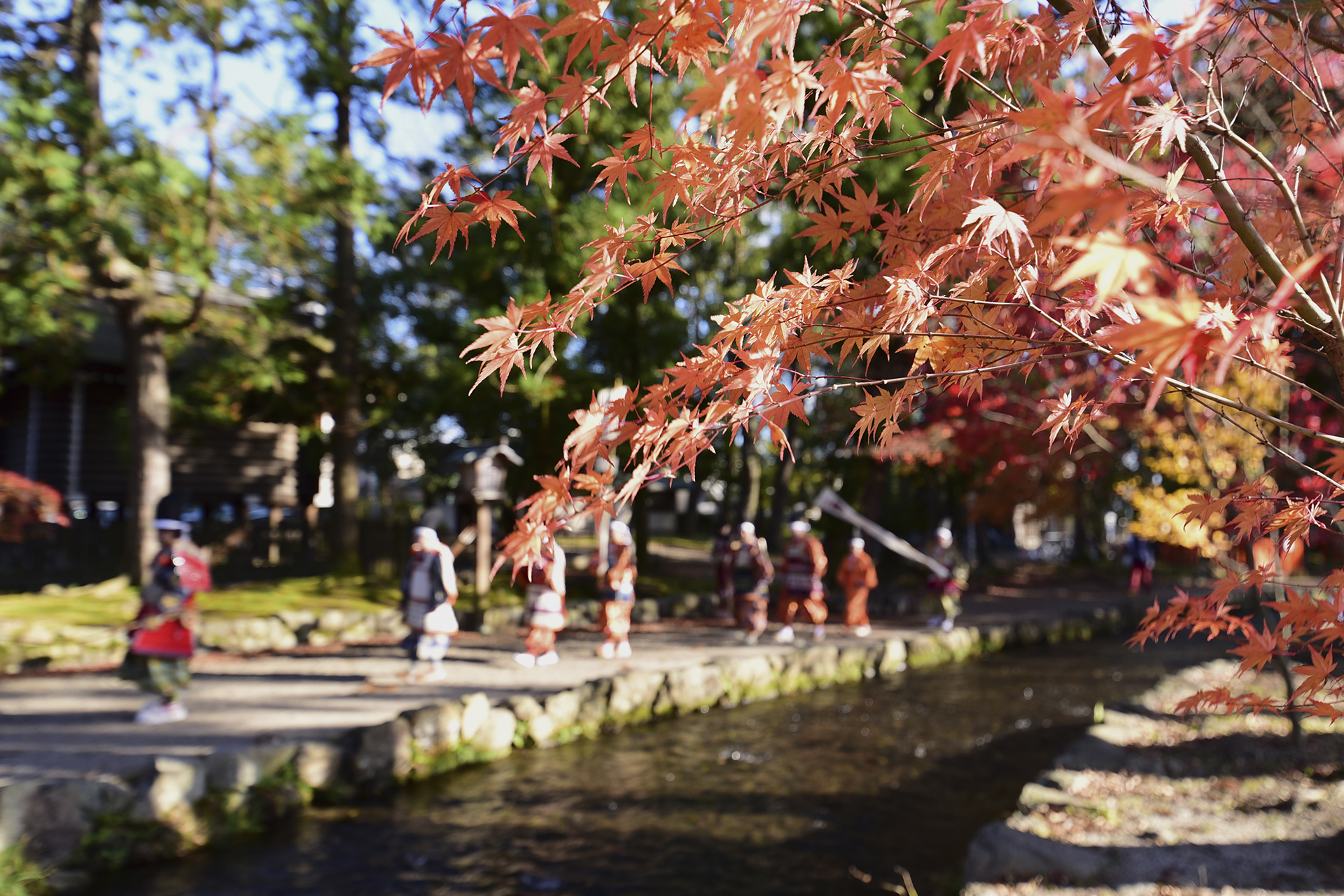
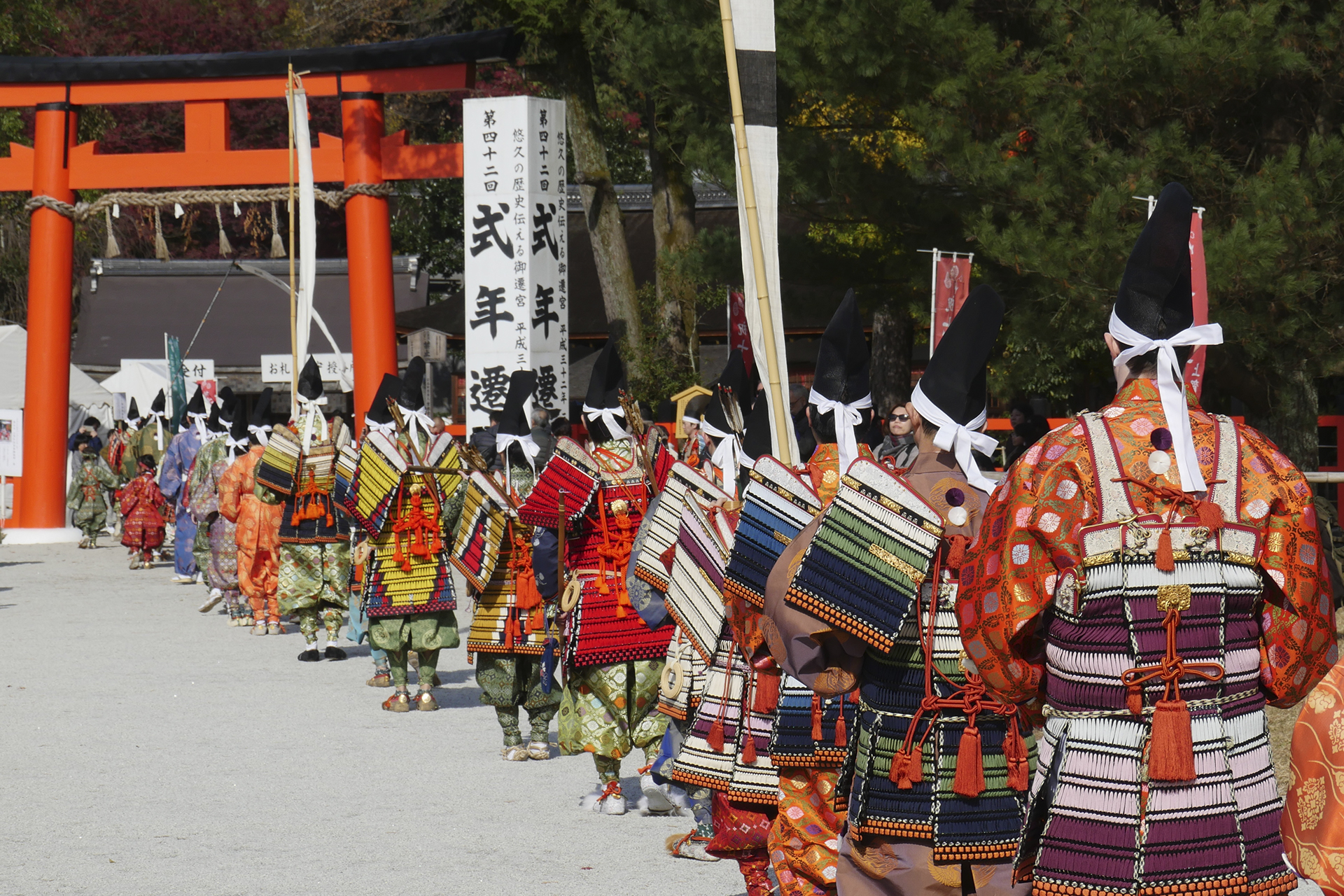
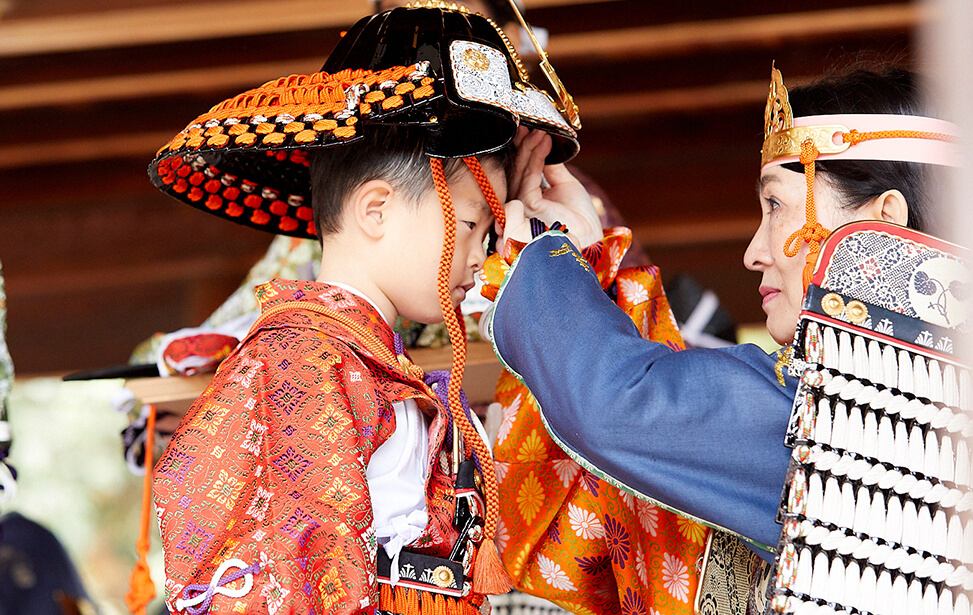
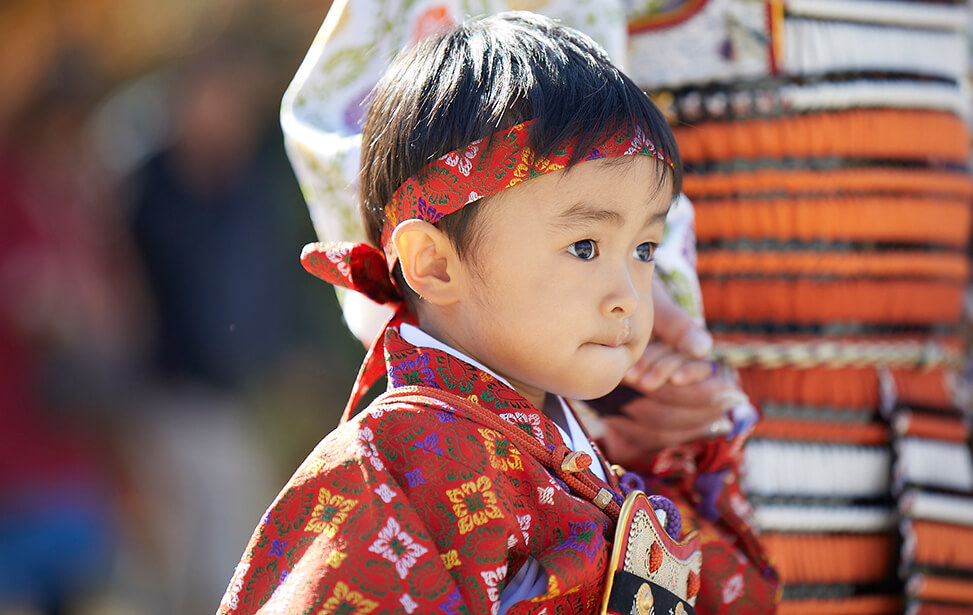
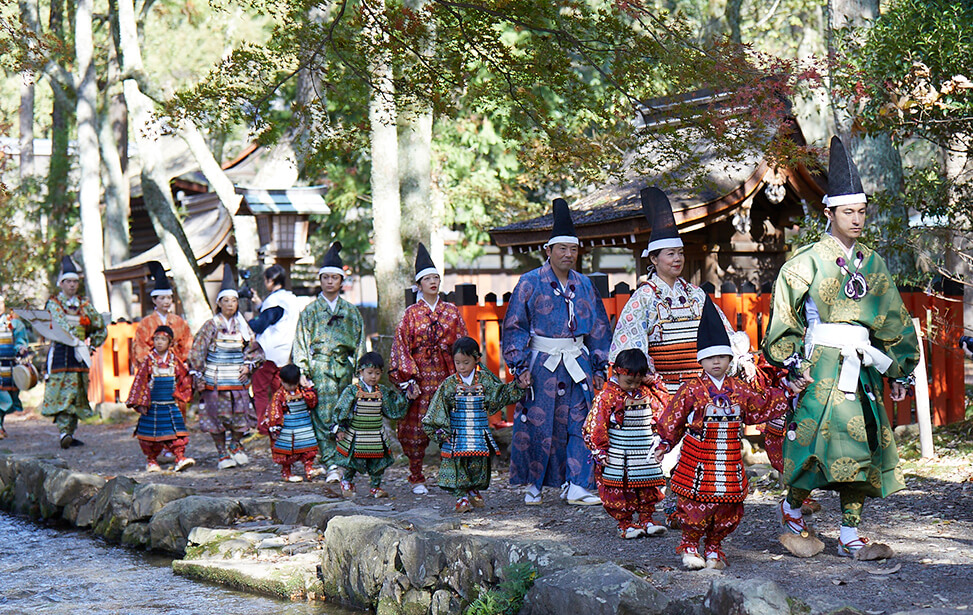
京都の世界文化遺産である上賀茂神社では大鎧の着初式が毎年11月23日に行われています。
The Yoroi-Kizomeshiki is an annual event inspired by a traditional coming of age ceremony in whichi the wearer is adorned for the first time with a suit armour.
平安時代から受け継がれる大鎧
かつて、平安時代、武士の命、身を守る防具として着用されていた大鎧。
大鎧には目を見張る見事な美しい伝統工芸の技法が各所に施されています。
その華やかさの裏には武士たちの戦場での自己顕示欲の意識の強さや潔さを示したいという願いが窺えます。
源義経などその時代の武将たちにより各地の神社に奉納されたことで、当時の鎧は今もなお、我が国の大事な遺品(国宝や重要文化財)として受け継ぎ残されています。
遺品の中には軍神が着用するという象徴として奉納されたと見られるこの上なく華麗で美術工芸的にも最高傑作といえる鎧も存在し、防具としてだけではなく、武士の晴着としての伝来や精神の願望の対象、戦勝祈願の奉献品としても各地の神社に納められたと考えられています。
OOYOROI
大鎧
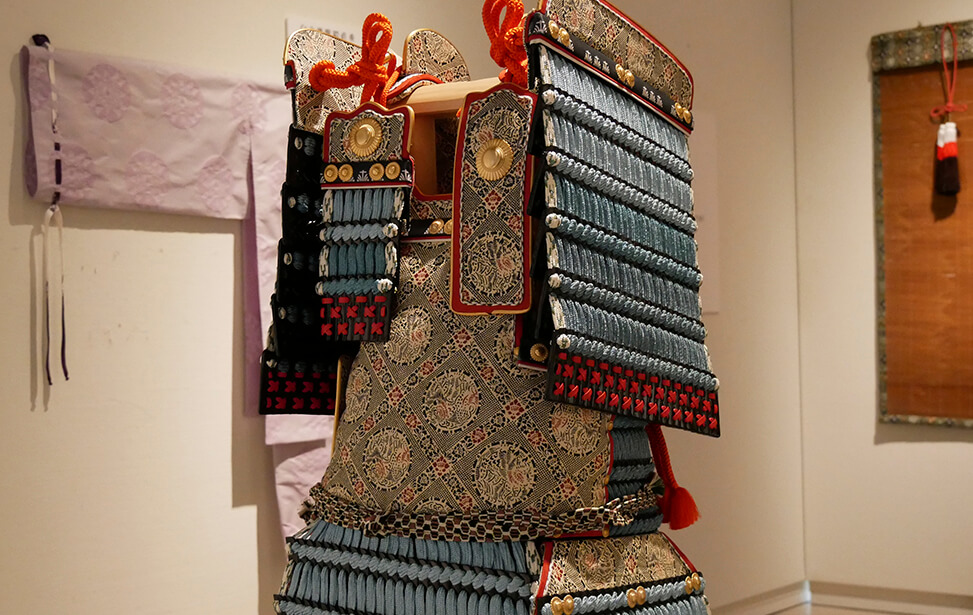
遡ること平安王朝、武士の命・身を守る貴重な装束(武装・武具)であった大鎧。 最も格が高く正式な鎧として式正の鎧、式の鎧、本式の鎧と呼ばれていました。
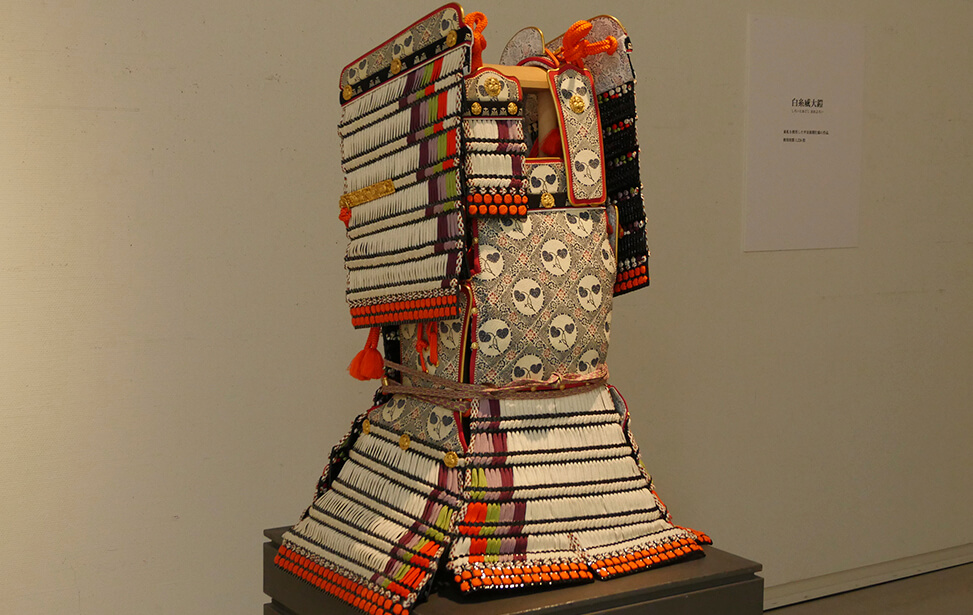
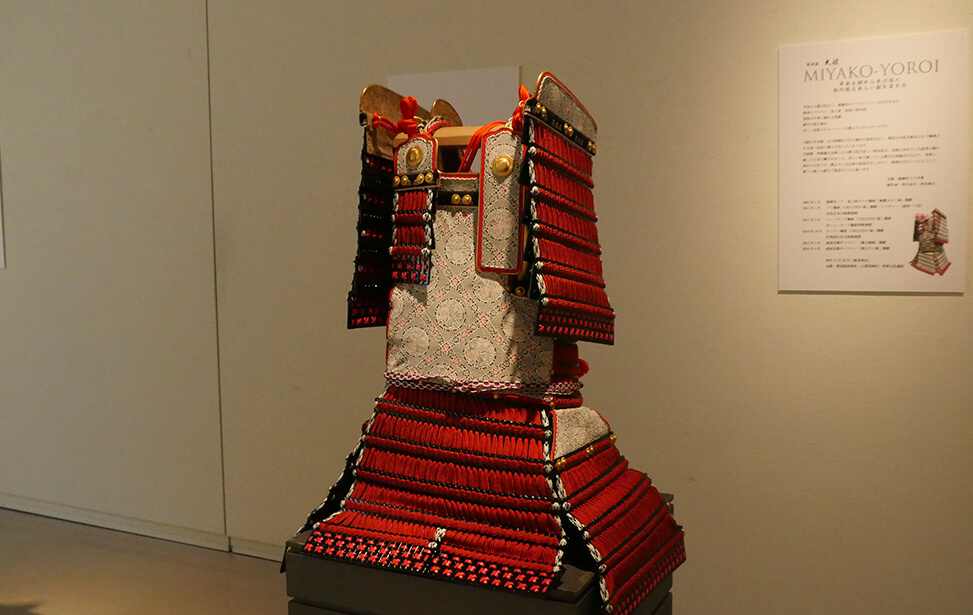

CHIGO-YOROI
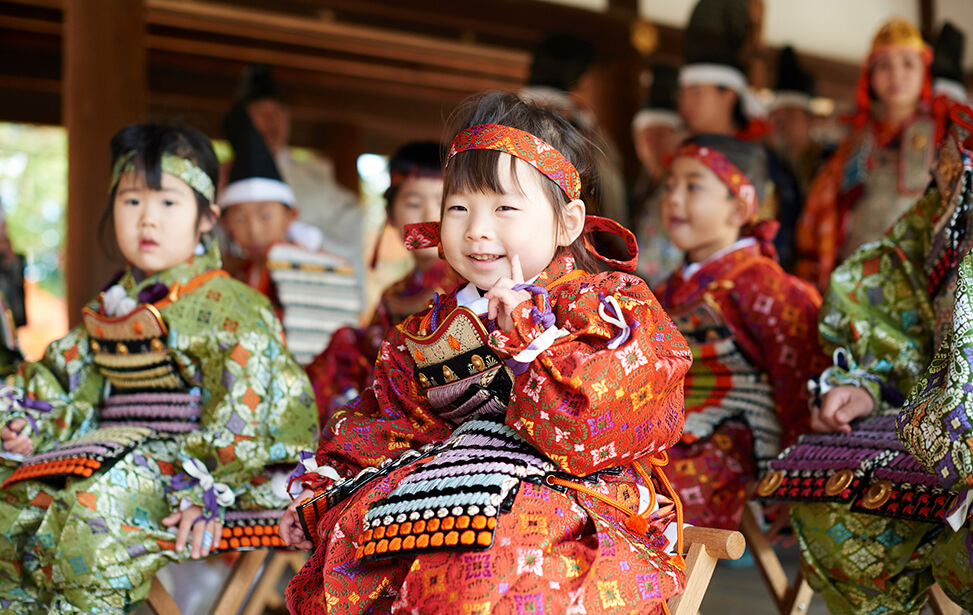
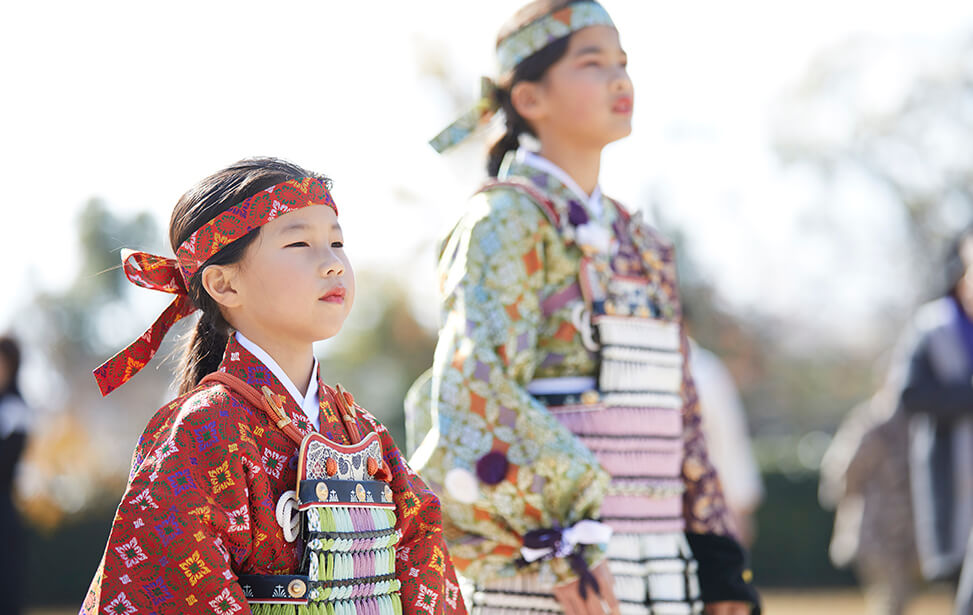
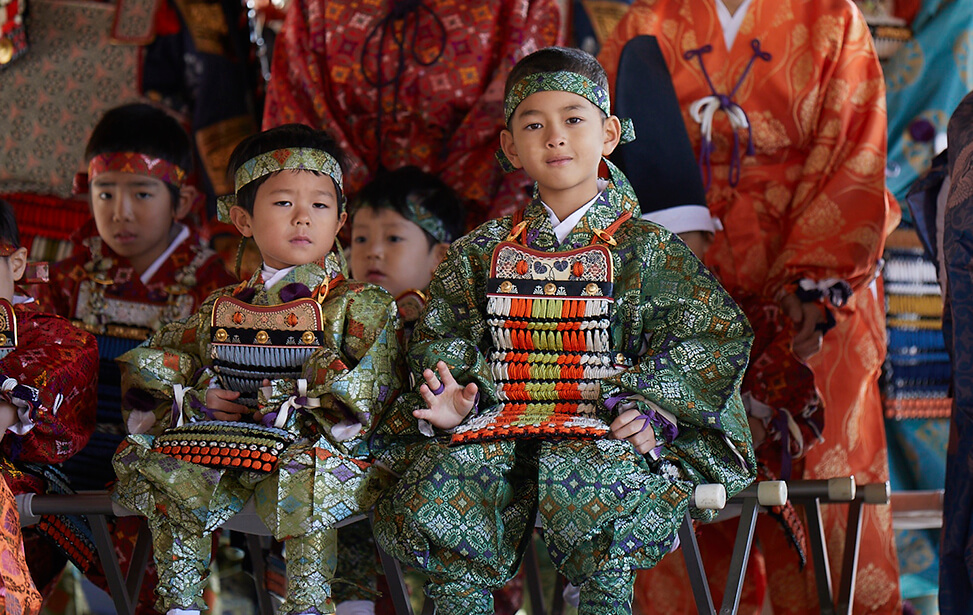
稚児鎧
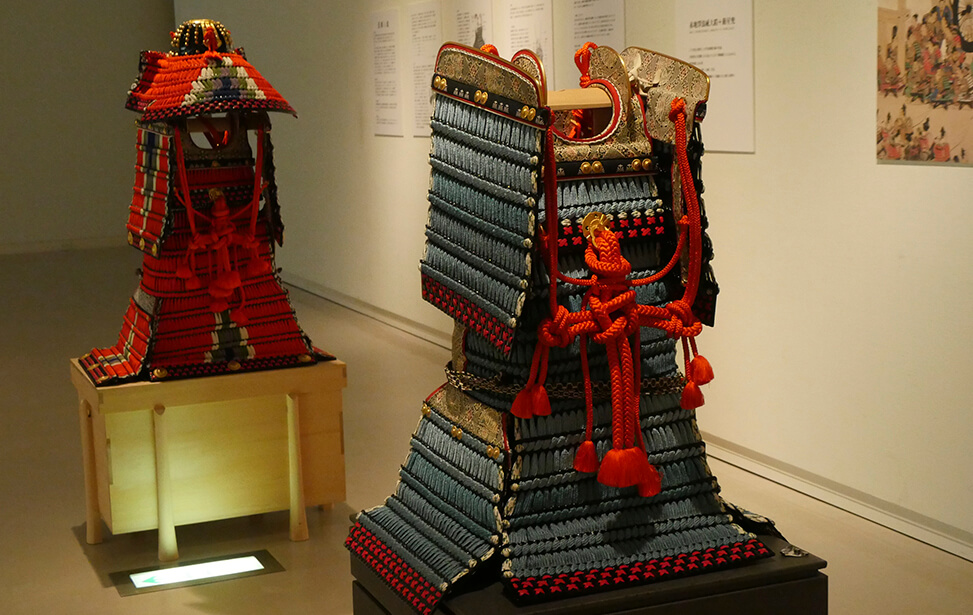
丹念な手作業と伝統のノウハウによって表現する美しい祝いの鎧
Ceremonial armour hand-crafted in detail, embracing the ingenuity of traditional know-how and technique.



京都と鎧
Kyoto and armor
日本の鎧
鎧は、戦闘の際に装着者の身体を矢や剣等の武器による攻撃から防護する衣類・ 武具ですが、重要な胴や胸の部分を守るのが主な目的で作られています。 人間だけではなく、戦馬や象などの動物を保護するために使われることもあり ました。 日本の甲冑(鎧兜)の特色は、材質の多様性とともに、堅固で働き易い機能性、 小札と威毛とで構成される形姿のもつ高い気品、繊細で情緒的な美しさにあり ます。これらは外国の甲冑には見られない優れた点でもあります。軍記物語や 合戦絵巻などが繰り広げる情景でも威色目の華やかさによって見る人の目を楽 しませてくれます。このように、美術工芸品の域まで昇華した甲冑は、日本民 族の歴史を母体として生成され、その時代の人々があくことなく機能性と美し さとを追求した成果であって、武士と職人との情念の凝集といえます。したが って、甲冑を見ることにより、これを作った時代の動向や文化、技術の水準、 人々の趣向や意欲といった“時代の息吹” を知ることができるわけです。
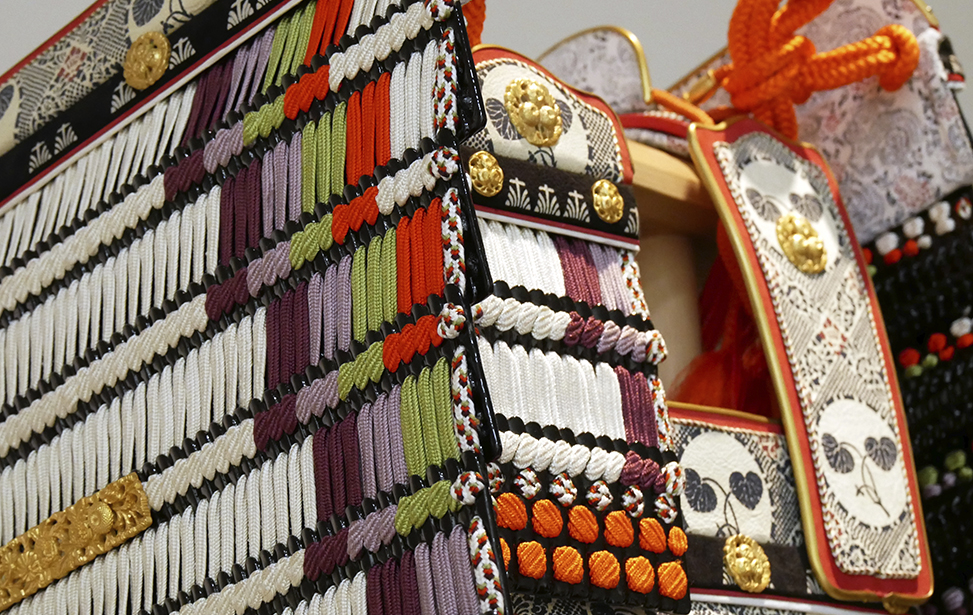
Japanese armor
"Yoroi," or armor, consists of equipment and clothing designed to protect the wearer from attacks using arrows, swords, etc. with an emphasis on protecting the torso and chest areas. In some cases, armor was created to protect not only people but animals such as war horses and elephants. The defining characteristics of Japanese armor and helmets include the wide variety of materials used, sturdiness, functionality in ease of movement and defensive capabilities, and the dignified and almost delicate beauty of the "kozane"* and "odoshige"* construction.
*Kozane
"O-yoroi," (literally "great armor") consisted primarily of small, narrow scales of iron or leather, called "kozane." Each kozane had "Yoroi," or armor, consists of equipment and clothing designed to protect the wearer from attacks using arrows, swords, etc. with an emphasis on protecting the torso and chest areas. In some cases, armor was created to protect not only people but animals such as war horses and elephants. The defining characteristics of Japanese armor and helmets include the wide variety of materials used, sturdiness, functionality in ease of movement and defensive capabilities, and the dignified and almost delicate beauty of the "kozane"* and "odoshige"* construction. Japanese armor Kyoto and armor small holes, and the front side was lacquered. They were layered horizontally to create rows, and the rows were laced together vertically to create the armor. This structure made it easier to move when wearing it. In many cases, primarily leather kozane were used with iron kozane only in critical areas to reduce the overall weight.
*Odoshige
This term refers to the braided silk or leather cords used to lace the kozane together. The act of lacing together the rows vertically with colored silk or tanned leather was called "odosu," and the linked rows were called "odoshi." A variety of colors and materials were used, resulting in colorful armor with a Japanese flavor such as "kon ito odoshi" (navy blue odoshi), "nioi odoshi" (a gradation of dark color at the top to light color at the bottom), and "kozakuragawa kigaeshi odoshi" (small cherry blossom pattern on yellow leather). These artistic touches are seldom seen in armor from other countries. The variety and brilliance of the odoshi colors are one of the main visual attractions in war epics and art depicting historical battles. Rather than just military gear, armor developed into an art form born from the history of the Japanese people and refined by an unending pursuit of function and beauty over the centuries. As a result, examination of armor gives us insight into the pulse of the era—its trends, culture, technological standards, and the tastes and motivations of its people.
日本の絵巻
平治物語絵詞に描かれた描線は流麗で構図が良く、鎧の威毛が見事な色彩効果を示しており、鎧の描写の巧妙さは他に類がなく、甲冑研究の貴重な資料になっています。
Japan's illustrated scrolls
The armor that appears in the Tale of Heiji shows the brilliant coloration of the odoshi. The detailed depiction of the armor is unparalleled, making it a valuable reference for the study of armor.
※当サイト内の文章・画像等の内容の無断転載及び複製・転用を固く禁じます。(著作権法)
Produced by 企画・制作

Email: ev(アットマーク)excitingjapan.com
※スパムメール対策のため
メールによるお問合せはアットマークを@に置き換えてください。
© EXCITING JAPAN All Rights Reserved.